
Don't be Selfish with AI Monitoring
/Matt Beane has a new post on AI and employee surveillance. It’s long-form and filled with great analysis on the cost of one-sided surveillance. No surprise, the analysis points to greater value when management and workers engage in interpreting and leveraging the results.
From Beane’s post:
Instead, we need to measure more. Far more than any bossware vendor would have dreamed, or could tolerate. My last post runs on this new assumption. The data is the same - turn-by-turn interaction data between workers and models. But we must now provide a two-sided product: private insight for the person doing the work, anonymized, aggregate truth for the firm designing it. Not worker-first charity that compromises the business. Not boss-first extraction. Simultaneous, and valuable for both - because the only way to get honest telemetry is to build a system the watched have a strong reason to feed.
. . . .
Why? People will surface their best work, their adopted skills, the mentoring they do, because visibility finally pays off. People want to know their greatest strengths are valued, and have an impact. Mutual telemetry can prove that, publicly - when the worker chooses that.
I Agree
This assessment is aligned with my most practical advice and academic results. When I talk about a Sharing Flywheel, there is an assumption that workers have something they know is valuable to share. People can better craft their individual and team work if they have good data on the results of things they try out. Monitoring should be used to protect and serve.
Work design is a negotiation. Not because it’s “fair,” but because work design needs to be informed by multiple perspectives. Different stakeholders will understand the analyses in different ways. That informational diversity has value for the problem-solving required for great work design. Especially when the work, or at least the work’s AI tools, seems to change daily. Negotiated implementation is more effective than top-down.
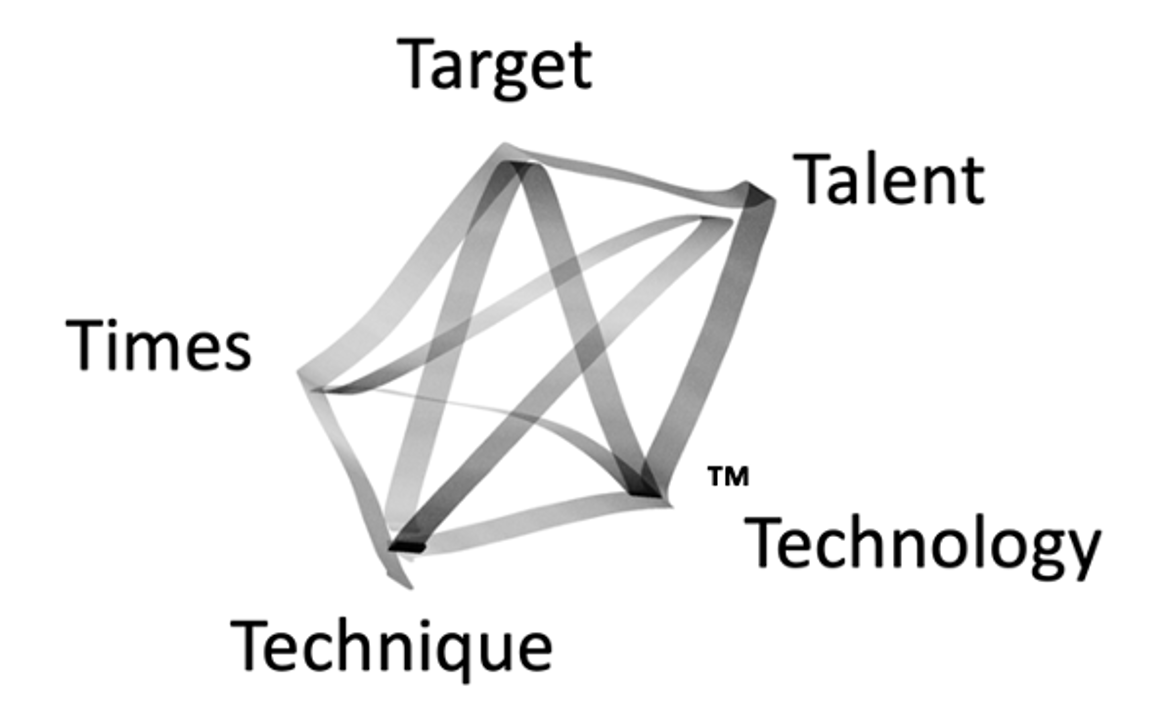
Management, individuals, and teams can only gain from the data if they point toward clear targets, take account of the times, and build across the available talent, technologies, and techniques. This is the 5T approach I bring to every executive session and course I offer.
My Advice
Yes, have systems that feed data to managers and workers so they can design work based on evidence. You're applying technology and technique with those steps. However, and perhaps first, identify your 5T experts so that they can support others in aligning the 5Ts. Now you’re applying technique and talent. Bring it all together (systems and approaches supporting the alignment of talent, technology, and technique, all pointed to your targets and appropriate for your times) and you’ve proven that you have systems savvy.
Systems savvy is how we describe exceptional 5T skills in our academic work. Systems savvy is relatively rare, but can be taught. My colleagues and I are working on machine learning tools to support systems savvy identification and training. Stand by for more news on that front.
For Now
Yes, use all the data you can, but engage with people who have the bottom-up wisdom to apply the results.
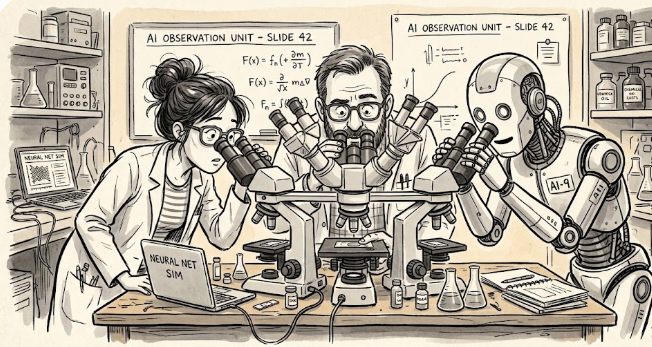
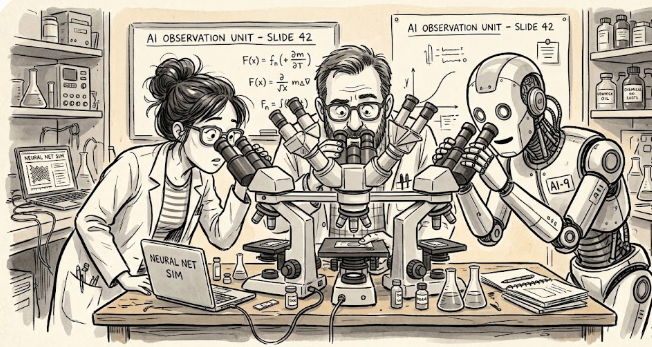
Disclosures: I leverage every AI tool I can get my hands on as I write these posts, many of them on paid accounts and some with persistent memory. I also am amused by how bad first drafts can be. Thus, the use of the image in this post.