
AI Upgrades Daily. Some Motivation and Strategies to Keep Up.
/Leveraging generative AI is empowering given the work you can do. GenAI is also somewhat freeing once you realize that the AI will change every day, and it's ok to play a bit of catch-up. When I wrote the original version of this post almost a year ago, I framed the core problem as a gap between machine learning and human learning. That gap has widened.
The Pace Is Not Slowing
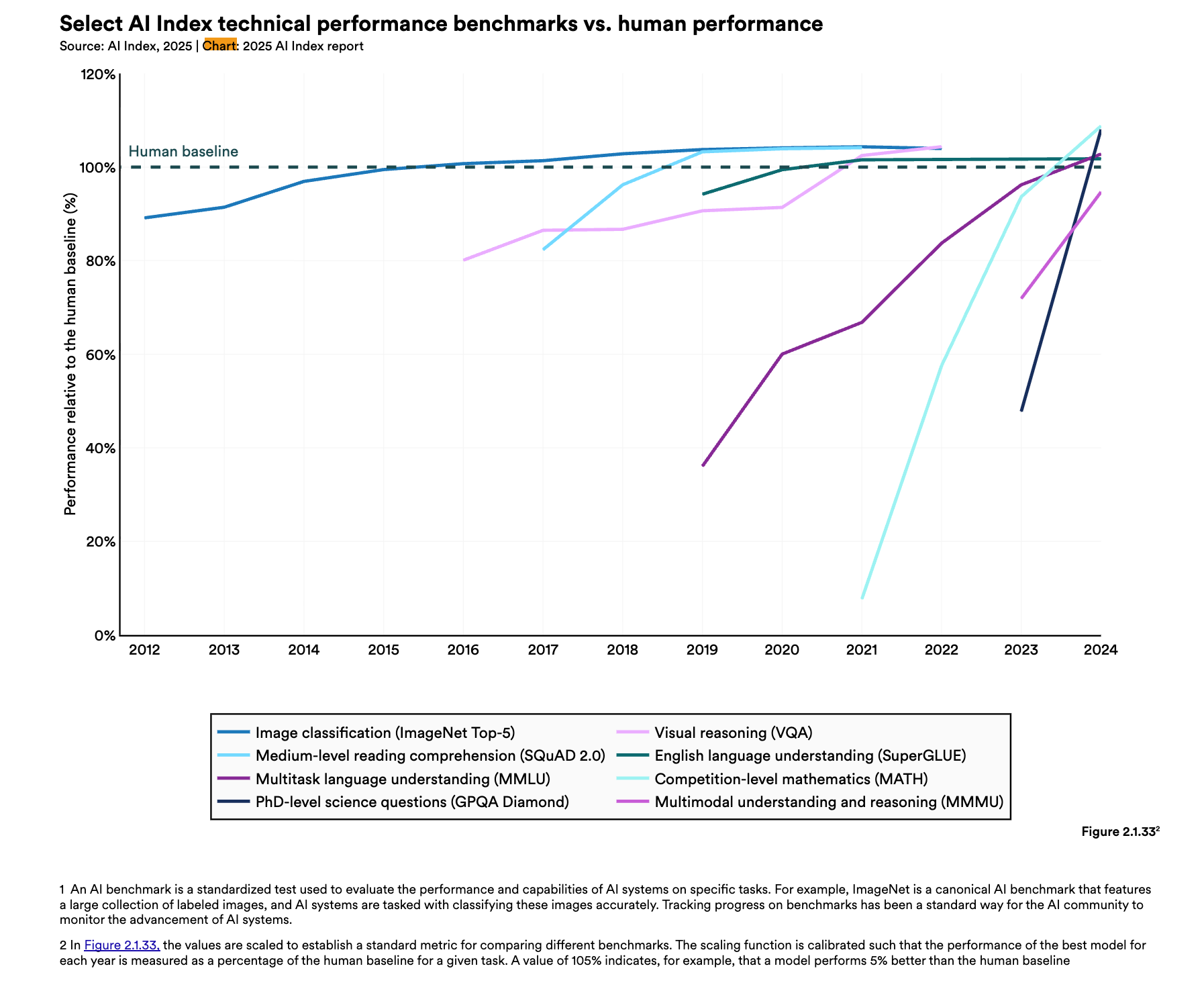
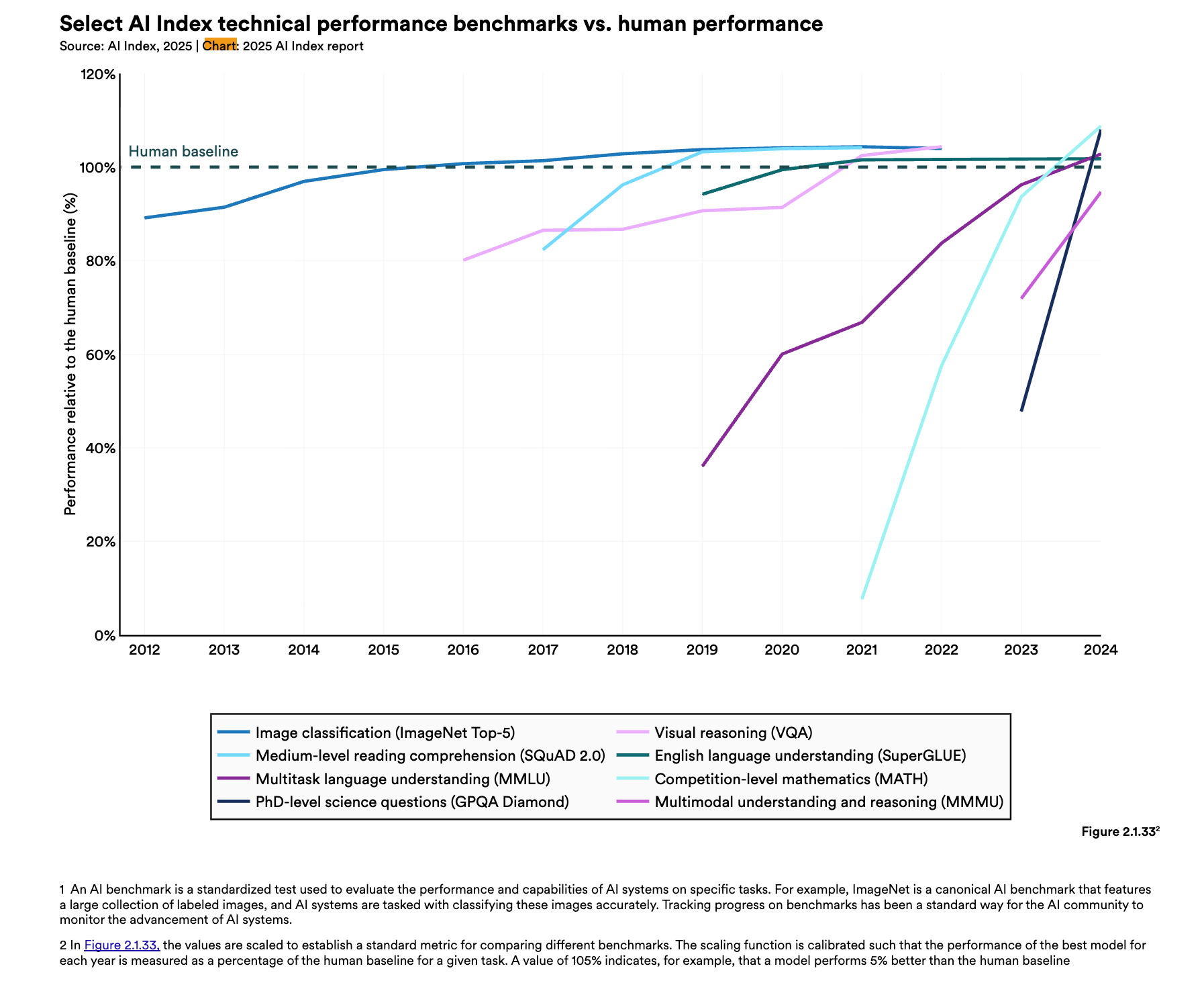
Source: AI Index, 2025 / Chart: Stanford HAI 2025 AI Index Report, Figure 2.1.33
Look at this chart from the Stanford HAI 2025 AI Index. The dashed line is human-level performance. One by one, AI has surpassed human capabilities in image classification, reading comprehension, language understanding, and competition-level math. The benchmarks, like competition-level math, were nearly at zero a few years ago. By 2024, they're well above the human capability line. New top-performing models release every few months, each one erasing the records of the last.
The Human Side: A New Twist
Organizationally, we aren't pulling our weight. Only 11% of HR/Learning & Development leaders feel extremely confident in their future skills-building strategies (2026 L&D industry report). A January 2026 Fortune/ManpowerGroup report finds that the more workers use AI, the less they trust it. Exposure without structure breeds skepticism, not skill.
“The gap is not the technology, but it’s more the lack of tools and training that’s driving some of this anxiety,” Mara Stefan, VP of global insights at ManpowerGroup
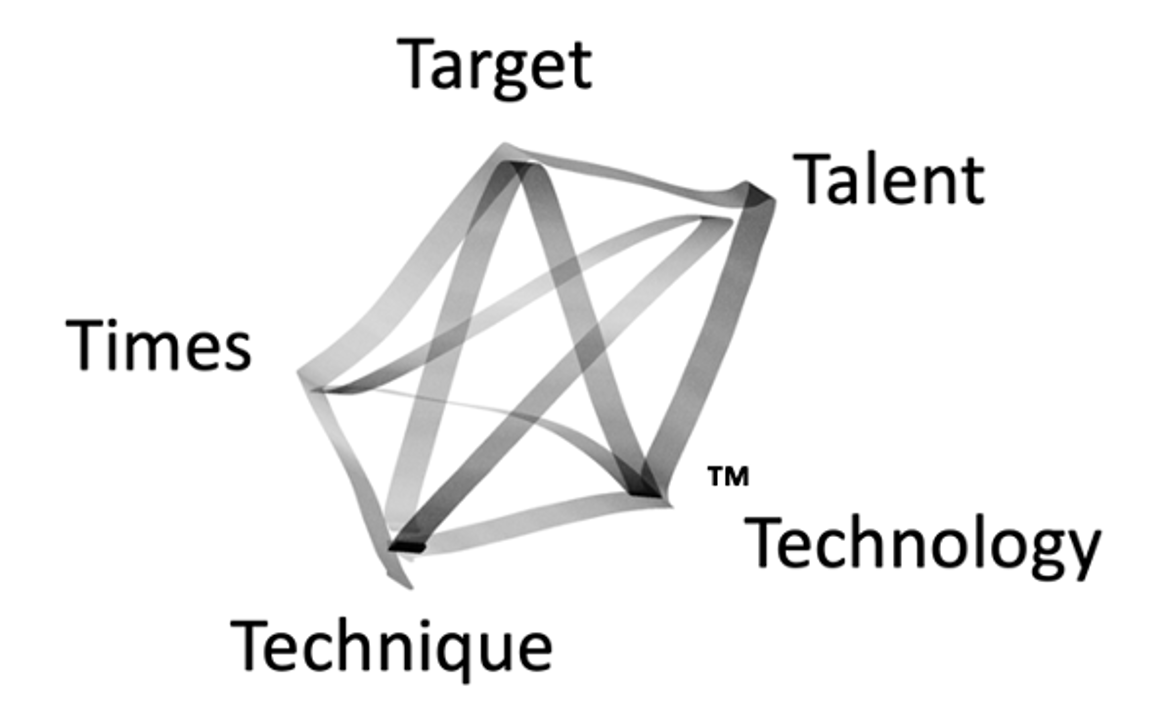
Framing through 5T Thinking: we're investing in Technology while under-funding Technique and not creating the Times to learn by doing. IDC estimates that skills shortages could cost the global economy $5.5 trillion by 2026.
What to Do
If you're in leadership, give the Humans-in-the-Loop more than access. BCG's 2025 AI at Work report is useful here in highlighting that high-performing organizations take structured time to experiment and use feedback loops to build judgment, not just usage. The report talks about “reshaping workflows,” what is more generally called crafting your work.
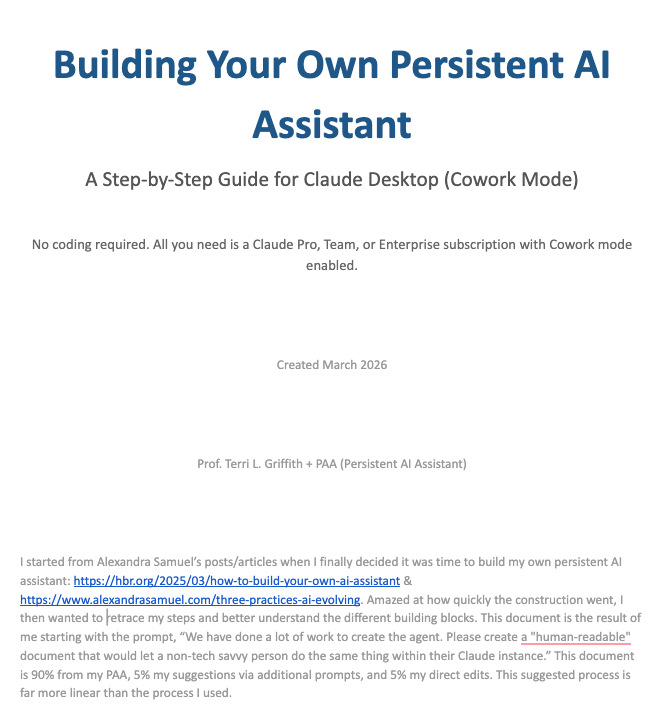
If you're an individual contributor: don't wait for training. Spend a few minutes every day running a small experiment. Ask a chatbot to draft a section of a report, critique your work, or prep you for a hard meeting. The goal is to develop judgment about when AI helps, not just using it more. Did I have to fact-check everything in the draft for this post? Yes. Did the AI get some of the graphical interpretation wrong, yes. But stop for a second… Claude Cowork looked at a cut-and-pasted graphic and offered an interpretation. I’m still impressed, and it certainly types faster than I do.
Small experiments, done intentionally, compound. The technology upgrades daily. How will you?
Disclosures: I leverage every AI tool I can get my hands on as I write these posts, many of them on paid accounts and some with persistent memory.